

What changes
Fragrance allergens must be listed by name in the ingredient list when they exceed 0.001% in leave-on and 0.01% in rinse-off products. Regulation 2023/1545 adds 56 new substances and natural extracts (for example camphor, menthol, vanillin, linalyl acetate, lavender, tea tree and ylang-ylang oils) and regroups some existing ones, so allergy sufferers can identify triggers that were previously hidden under “parfum”. It does not ban these ingredients; it only makes them visible. Since 1 August 2026 products placed on the market must carry the new labelling, while older labels may still be seen in shops until 31 July 2028.
Key dates
| Published | 27 July 2023 |
|---|---|
| Entry into force | 16 August 2023 |
| Cannot be placed on the market from | 31 July 2026 |
| Cannot be made available (sold) from | 31 July 2028 |
Verified against the Official Journal (OJ L 188, 27.7.2023, p. 1). Here the dates are last permitted days, as written in the act: products not meeting the new labelling rules could be placed on the market until 31 July 2026 and may be made available until 31 July 2028. The placing deadline has passed, so the act is in its sell-off phase.
Affected ingredients
- CAMPHORAll products with CAMPHOR →
- MENTHOLAll products with MENTHOL →
- VANILLINAll products with VANILLIN →
- BENZALDEHYDEAll products with BENZALDEHYDE →
- ANETHOLEAll products with ANETHOLE →
- CARVONEAll products with CARVONE →
- LINALYL ACETATEAll products with LINALYL ACETATE →
- TERPINEOLAll products with TERPINEOL →
- METHYL SALICYLATEAll products with METHYL SALICYLATE →
- SCLAREOLAll products with SCLAREOL →
- MELALEUCA ALTERNIFOLIA LEAF OILAll products with MELALEUCA ALTERNIFOLIA LEAF OIL →
- LAVANDULA ANGUSTIFOLIA OILAll products with LAVANDULA ANGUSTIFOLIA OIL →
- CANANGA ODORATA FLOWER OILAll products with CANANGA ODORATA FLOWER OIL →
Products in our database containing these ingredients
3,250 products in INCIMondo contain at least one of these ingredients.
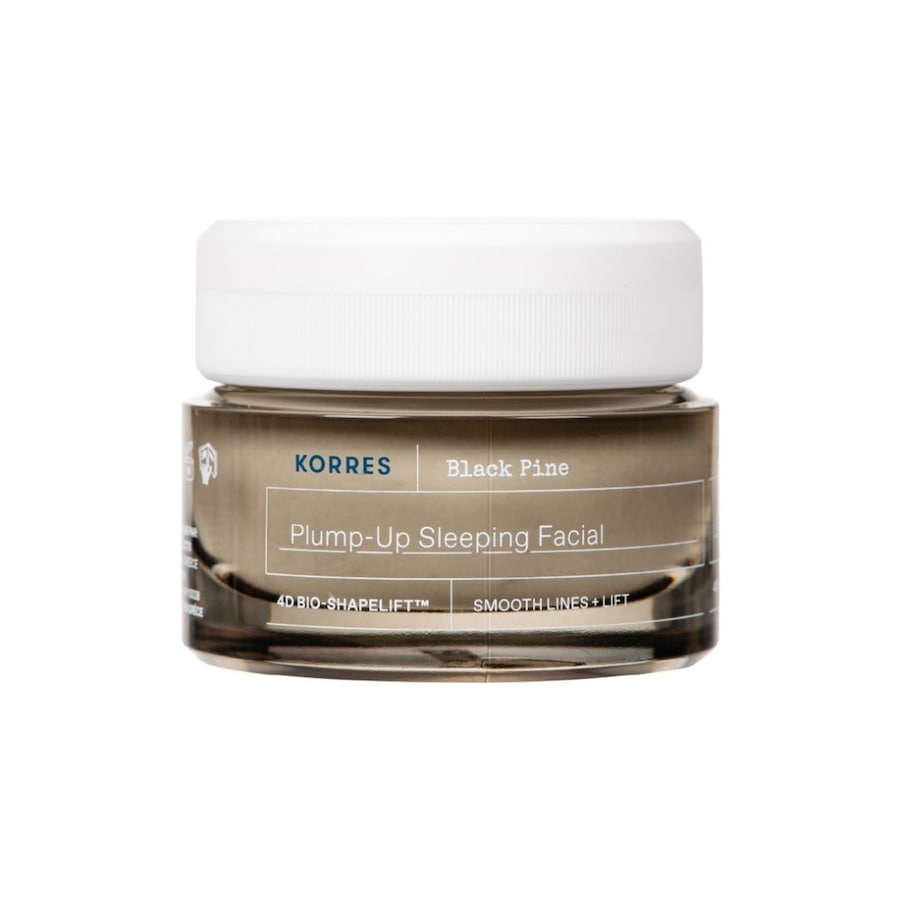
Black Pine Plump-Up Sleeping Facial

Crema Go Fresh

Dove Avocado Strength Conditioner
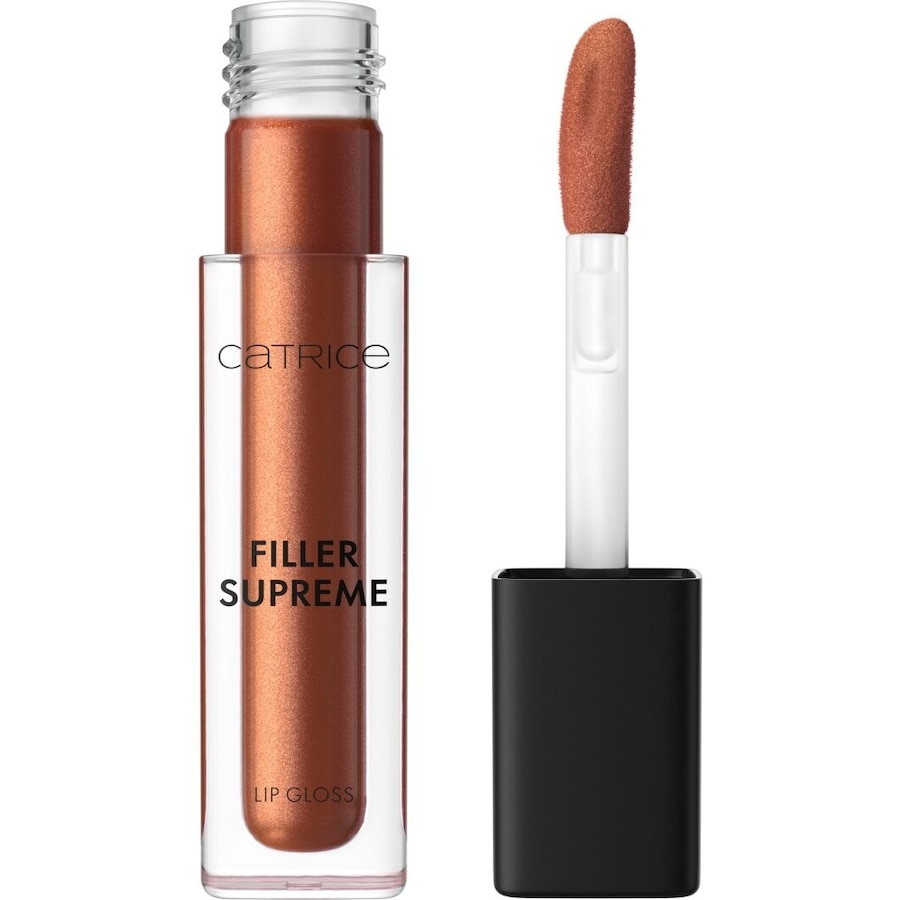
ملمّع شفاه Filler Supreme
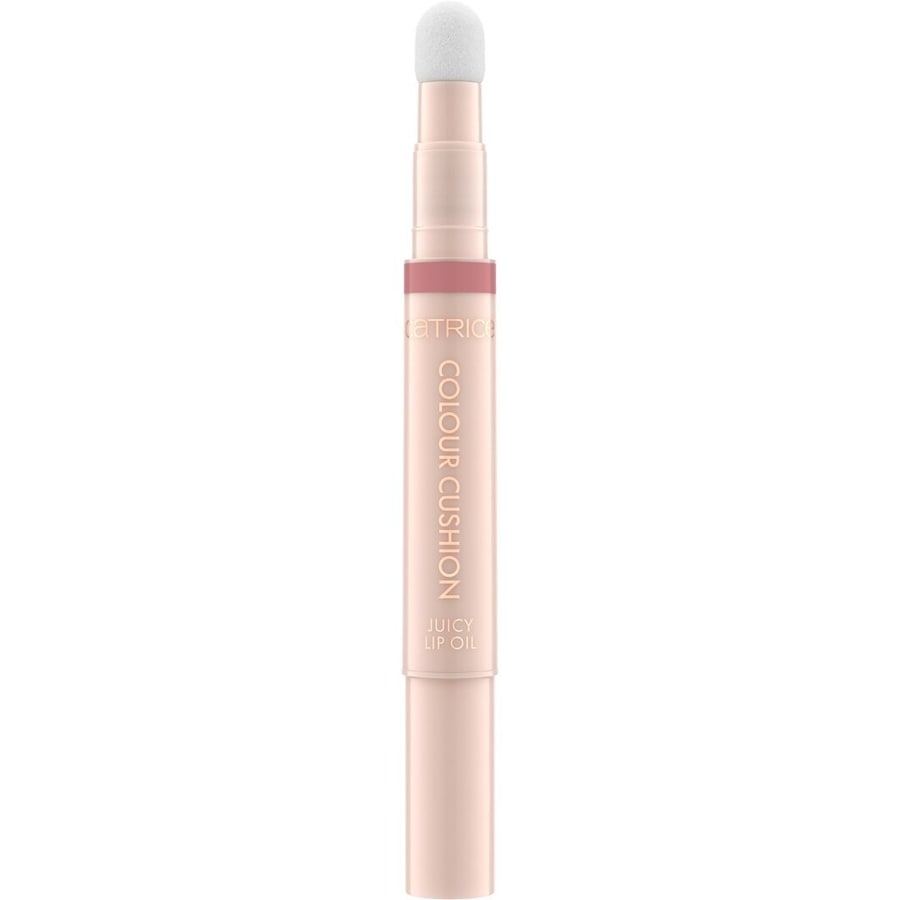
زيت الشفاه الجوسي Colour Cushion
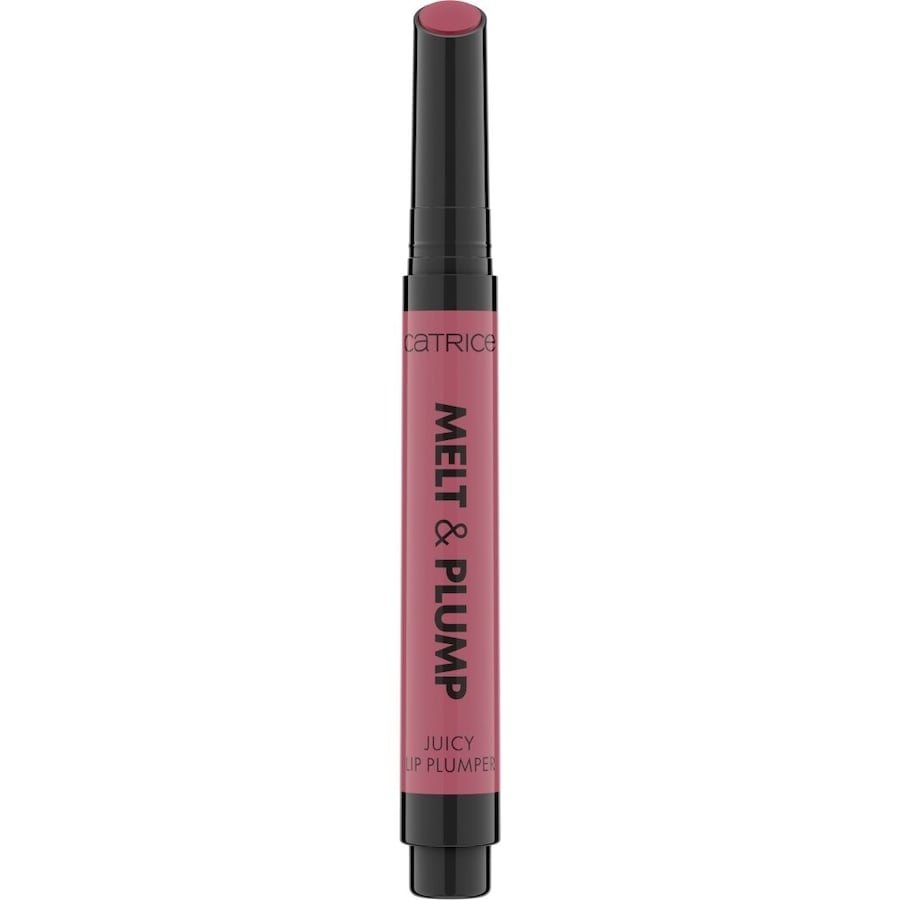
مكبّر الشفاه الجوسي Melt & Plump
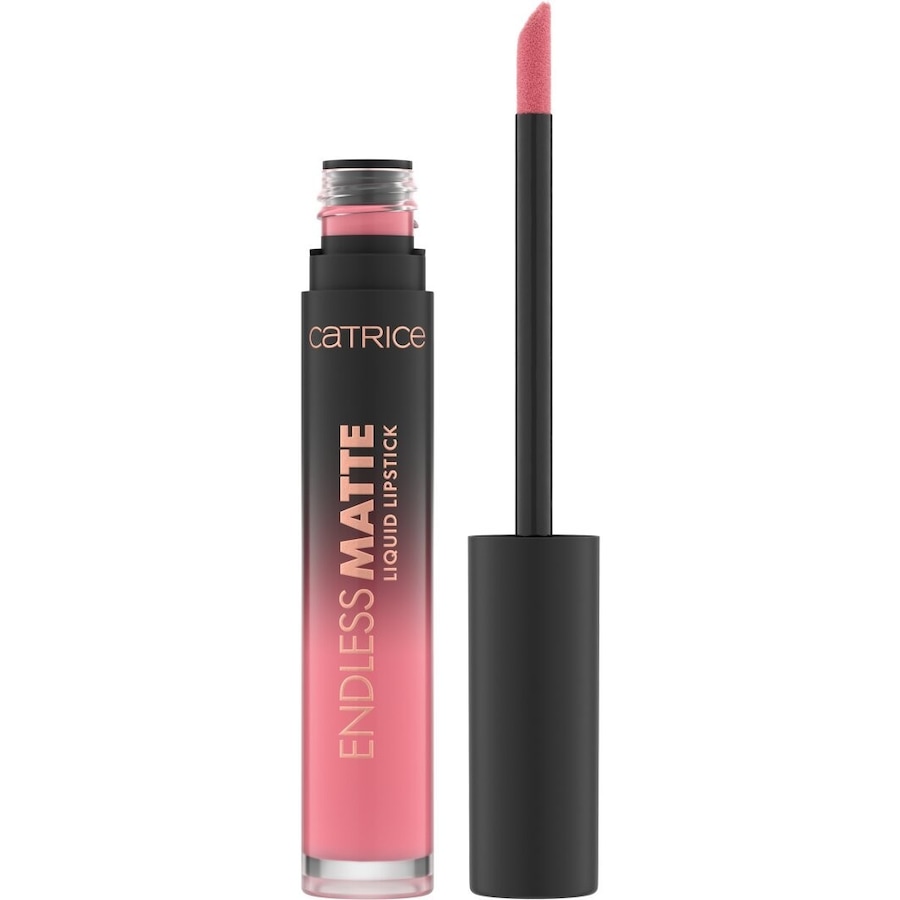
أحمر شفاه سائل Endless Matte
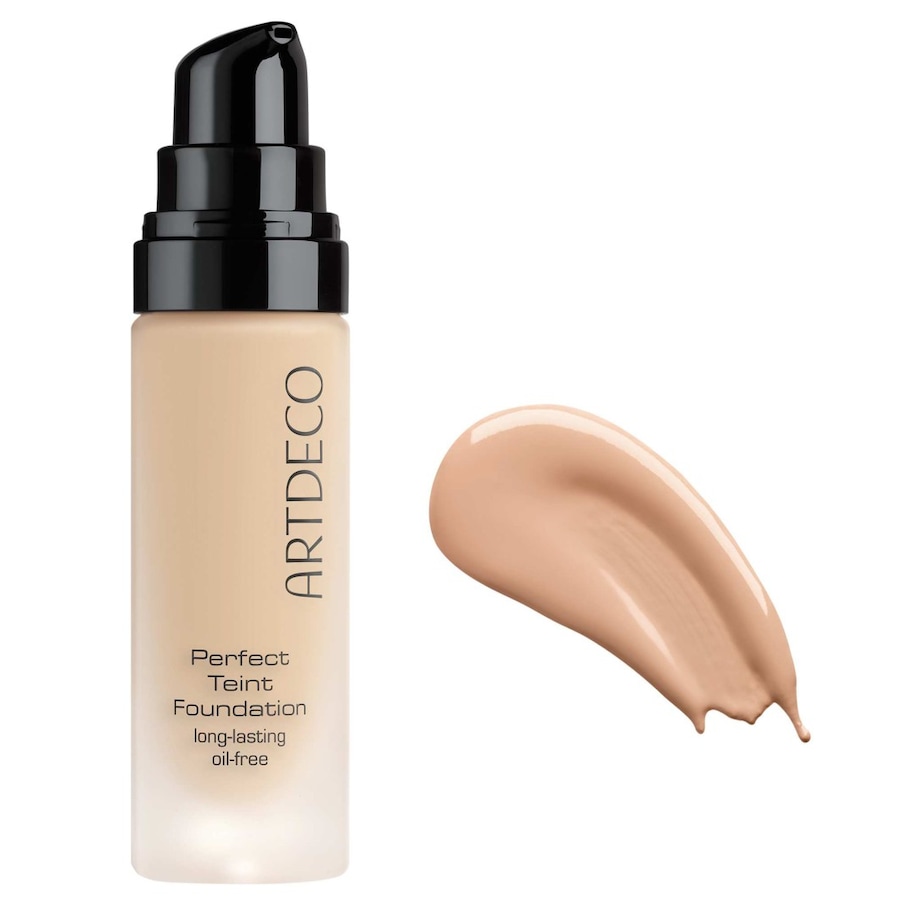
Perfect Teint Foundation
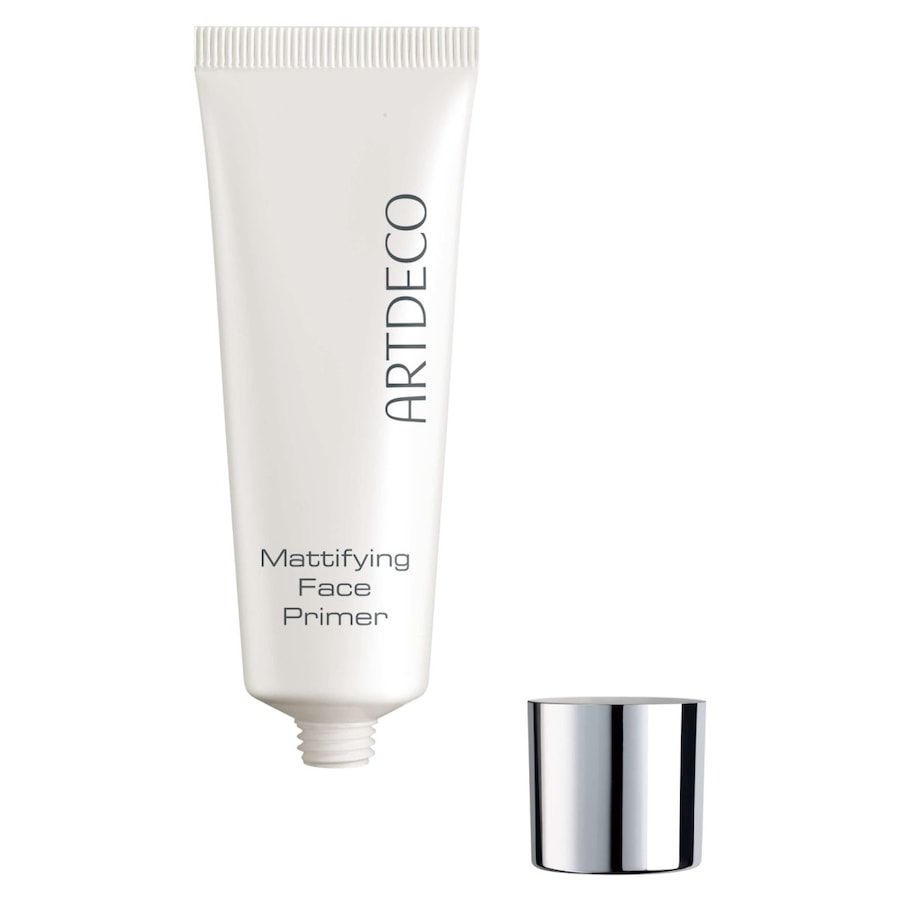
Mattifying Face Primer
Selfglow kremowy rozświetlacz z efektem tafli
Selfglow kremowy bronzer z matowym efektem
Selfglow kremowy róż z matowym efektem
This is a consumer-oriented summary, not legal advice. Only the text published in the Official Journal of the EU is legally binding.