Our review
A short, water-based lash serum built around a prostaglandin analogue (ethyl tafluprostamide). Many users report visibly longer lashes, but eye irritation is a recurring complaint – this is not a product to use casually.
Packaging and what the product is
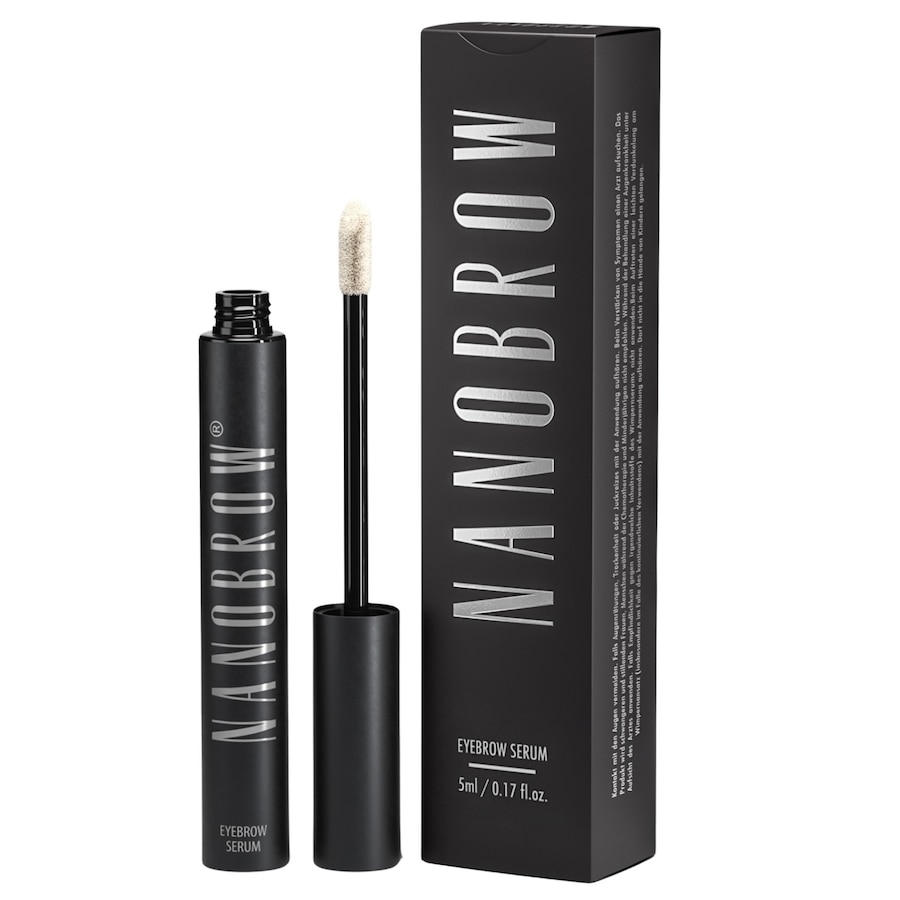
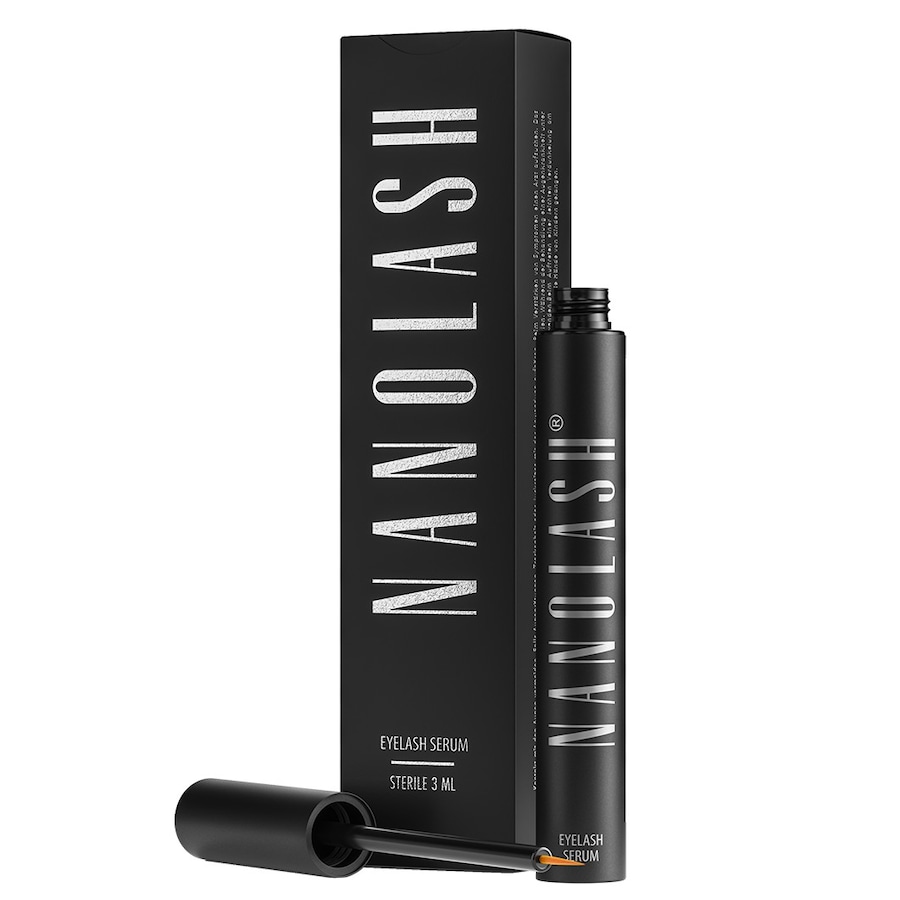
The serum comes in a slim tube with a fine brush applicator, shown in the quoted photo from the manufacturer; it is applied once a day along the upper lash line. The marketing promise is longer, thicker lashes within weeks.
Ingredient analysis
The formula is short: water, ethyl tafluprostamide, eyebright (Euphrasia officinalis) extract, propylene glycol, salt, alcohol, phenoxyethanol, citric acid and triethanolamine. The ingredient that matters is ethyl tafluprostamide, an analogue of prostaglandin related to substances used in glaucoma eye drops. Prostaglandin analogues are the reason such serums can visibly lengthen lashes; the rest of the list is a simple carrier with a preservative (phenoxyethanol) and pH adjusters.
What to watch out for
For prostaglandin analogues, reported side effects include redness and irritation of the eyes and eyelids and darkening of the eyelid skin. The EU Scientific Committee on Consumer Safety (SCCS) has assessed prostaglandin analogues used in lash products – see the scientific opinions section on the ingredient pages. Triethanolamine is a restricted ingredient in the EU (Annex III). People who are pregnant, have eye conditions, wear contact lenses or use eye drops should consult an eye doctor first.
What users say
On Lyko (Netherlands) the 3 ml serum had an average of 3.7/5 from 235 reviews (checked 30 October 2026). Positive reviews describe clearly longer and fuller lashes, usually after two to three months of regular use, and some users keep the effect with occasional application. A noticeable group reports red, irritated eyes or irritated skin around the eyes; some saw no effect, and a few said lashes returned to their previous length after stopping.
Who it may suit
Adults who want a visible lash effect, accept the possibility of irritation and can apply the serum carefully to the lash line only. People with sensitive eyes may prefer a peptide-based serum without prostaglandin analogues.
Editorial review by INCIMondo based on the ingredient list and publicly available opinions. Not medical advice. · 2026-11-01
Compare prices
- Douglas.pl · checked Nov 3144.92 złcheapestGo to shop
- Allegro · checked Nov 3154,90 złGo to shop
Affiliate link: we may earn a commission. It does not affect ingredient analysis. As an Amazon Associate, INCIMondo earns from qualifying purchases.
The ingredient list comes from the manufacturer’s website (date below). Formulas change and can differ between markets – the label of the product you buy is decisive.
Ingredients
- AQUA · Solvent
- ETHYL TAFLUPROSTAMIDE · Hair conditioning, Nail conditioning
- EUPHRASIA OFFICINALIS EXTRACT · Antimicrobial, Astringent, Skin conditioning
- PROPYLENE GLYCOL · Humectant, Fragrance, Solvent
- SODIUM CHLORIDE · Bulking, Fragrance, Oral care
- ALCOHOL · Antifoaming, Antimicrobial, Astringent
- PHENOXYETHANOL · Antimicrobial, PreservativeEU restrictions
- CITRIC ACID · Buffering, Chelating, FragranceEU restrictions
- TRIETHANOLAMINE · Buffering, Surfactant – emulsifying, FragranceEU restrictions
An INCI list does not reveal exact concentrations.
Ingredient list as published
Aqua, Ethyl Tafluprostamide, Euphrasia Officinalis Extract, Propylene Glycol, Sodium Chloride, Alcohol, Phenoxyethanol, Citric Acid, Triethanolamine
Products with a similar formula
Ranked by shared ingredients (rarer ingredients count more). A similar ingredient list does not mean the same concentrations or effect.